
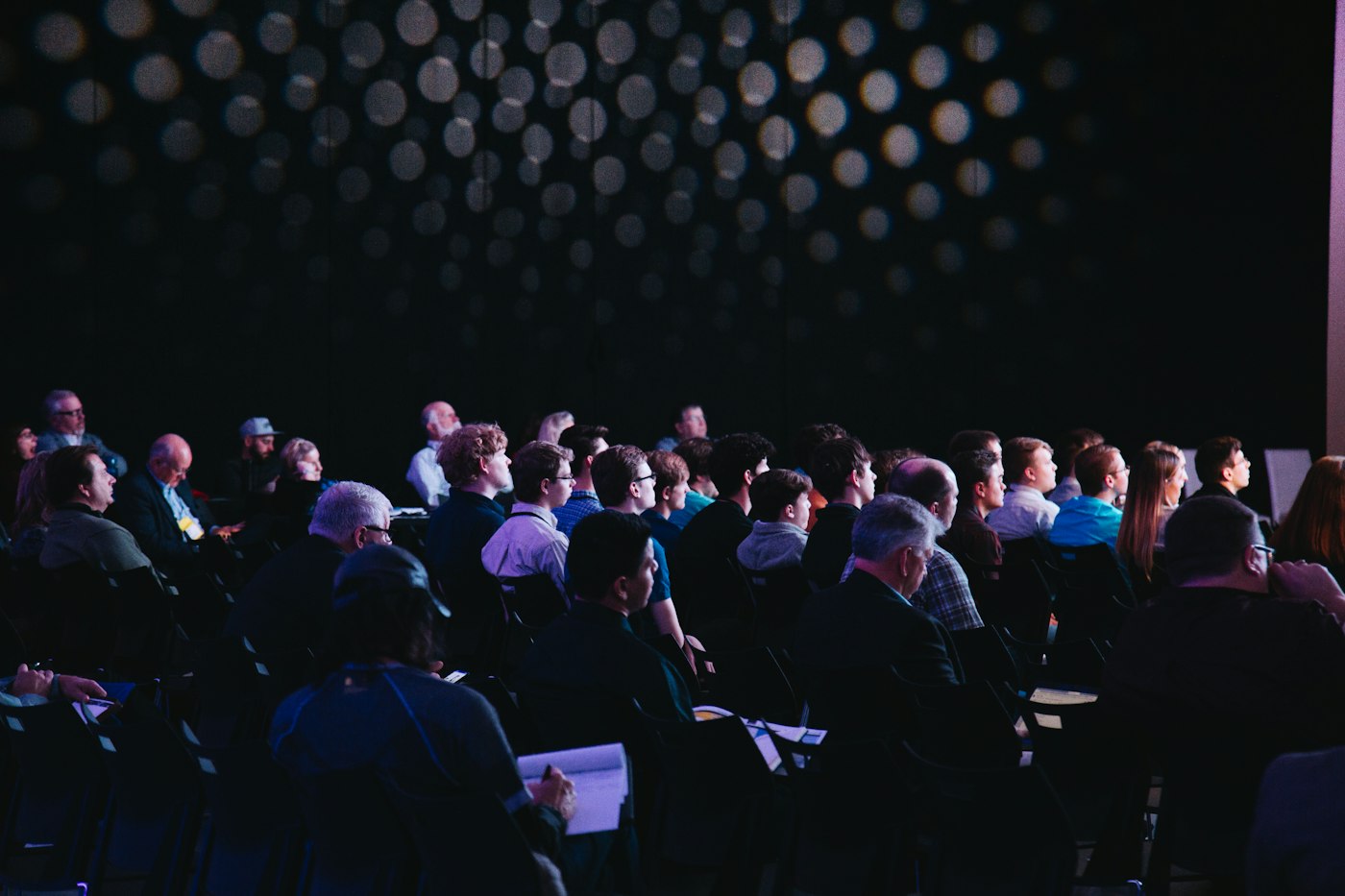
The B2B events sector no longer looks like it did five years ago. Under the combined effect of new technologies, decision-makers' rising expectations and an increasingly mature Moroccan market, the rules of the game are being rewritten. For brands that want to stay competitive, anticipating these shifts is no longer optional — it's a strategic necessity. Here are the five major trends that will define B2B experiential marketing in Morocco and beyond in 2026.
1. Hyper-personalized experiences powered by data
The era of one-size-fits-all events is over. In 2026, B2B decision-makers expect an experience designed specifically for their challenges, their sector, and even their individual journey within the organization. This hyper-personalization is only possible through intelligent use of data: interaction history, stated preferences, digital behaviors and purchase-intent signals.
Agencies that master the collection and analysis of this data ahead of an event can tailor content, workshops and even one-to-one meetings according to each attendee's profile. In Morocco, where sector ecosystems remain relatively concentrated, this fine-grained audience knowledge is a decisive competitive advantage for organizers able to leverage it.
For Dazzlea, this translates into advanced segmentation strategies from the design phase onward, allowing every touchpoint of the event to be shaped around attendees' real expectations — not assumed ones.
2. The rise of phygital: augmented in-person events
The debate between in-person and virtual events now belongs to the past. What is taking hold in 2026 is a radically hybrid approach known as phygital: a physical experience enriched by digital layers that multiply its reach, depth and longevity.
In practical terms, this means interactive installations driven in real time, content streamed simultaneously on proprietary platforms, and virtual networking spaces that extend the connections made on site. The physical venue becomes a production studio as much as an experience space, and the audience present is now just the visible part of a much larger community.
This phygital approach also opens new perspectives for international brands wanting to simultaneously reach audiences in Casablanca, Dakar and Paris from a single central event setup.
3. Sustainability as a differentiator
Environmental responsibility has moved from a cosmetic stance to a genuine selection criterion in event tenders. In 2026, procurement and CSR departments at large Moroccan companies and multinationals operating in Morocco systematically factor environmental-impact indicators into their evaluation of vendors.
For agencies, this means rethinking the entire event value chain: choosing recyclable or reusable set-design materials, managing waste, calculating the carbon footprint of travel, and selecting local, committed caterers. Sustainability thus becomes a creative component in its own right, capable of generating strong, memorable statements.
In Morocco, this trend also connects with the context of COP and the Kingdom's climate ambitions, creating especially fertile ground for brands wanting to show consistency between their stated values and their actual event practices.
4. Attendee-generated content as an organic amplifier
UGC — User Generated Content — is no longer the sole preserve of B2C. In 2026, the best-performing B2B events are those that turn their attendees into active content creators, generating organic amplification that far outstrips traditional media spend.
This dynamic is built by designing visually striking, emotionally charged moments: iconic set-design installations, orchestrated product reveals, peer-to-peer sharing moments whose perceived value naturally drives sharing. On LinkedIn in particular, a well-designed B2B event can generate several hundred spontaneous posts from attendees who are influential in their sector.
The key lies in the architecture of the experience itself: every sequence must be designed not only for its immediate impact on those present, but also for its ability to travel beyond the venue's walls. At Dazzlea, we systematically build this "shareable" dimension into our creative design process.
5. AI in personalizing experiences
Artificial intelligence is steadily establishing itself as a genuine event production and personalization tool in its own right. In 2026, its applications go well beyond simple content generation: AI makes it possible to create adaptive journeys within a single event, predict attendance behaviors to optimize logistics in real time, and even generate personalized summaries for each attendee at the end of the event.
In set design, visual generation tools make it possible to prototype concepts in a few hours rather than several days, considerably speeding up creative cycles and allowing more variations to be presented to clients so the vision can be refined together.
For B2B brands, AI represents above all an opportunity to make every touchpoint of the event more relevant and more memorable, by adapting in real time to signals from attendees. This ability to personalize the experience at scale is one of the most powerful levers for event differentiation in the years ahead.